

First-Time Credit Card Guide
How to Use Credit Wisely and Build a Strong Financial Future
Getting your first credit card is exciting and maybe a little intimidating too! For many people, it’s one of the first real steps into managing their own finances.
Used responsibly, a credit card can help you build credit, create healthy financial habits, and open the door to future opportunities like buying a car, renting an apartment, or qualifying for better loan rates down the road. But like any financial tool, it works best when you understand how to use it wisely.
At Frontier Credit Union, we believe financial education is one of the most important parts of building long-term confidence with money. Here’s what every first-time credit card user should know before making that first swipe.
So… How Do Credit Cards Work?
A credit card allows you to borrow money from a lender, up to a set credit limit. Each month, you’ll receive a statement showing what you purchased, your current balance, credits and payments, your minimum payment due, and your payment due date.
Unlike a debit card, which pulls money directly from your checking account, a credit card gives you the flexibility to pay purchases back over time. However, carrying a balance from month to month may result in interest charges being added to what you owe.
The good news? If you pay your statement balance in full each month, you can typically avoid interest charges altogether.
Think of a credit card less like “free money” and more like a financial tool that helps you build trust with lenders over time.
Why Your First Credit Card Matters
Your first credit card plays a major role in building your credit history, which helps lenders evaluate how responsibly you manage borrowed money.
That credit history can eventually impact your ability to qualify for things like car loans, mortgages, apartments, insurance policies, utilities, and even some job applications.
A strong credit history can also help you access lower interest rates and better financial opportunities in the future. In many ways, your first credit card helps lay the foundation for your financial future.
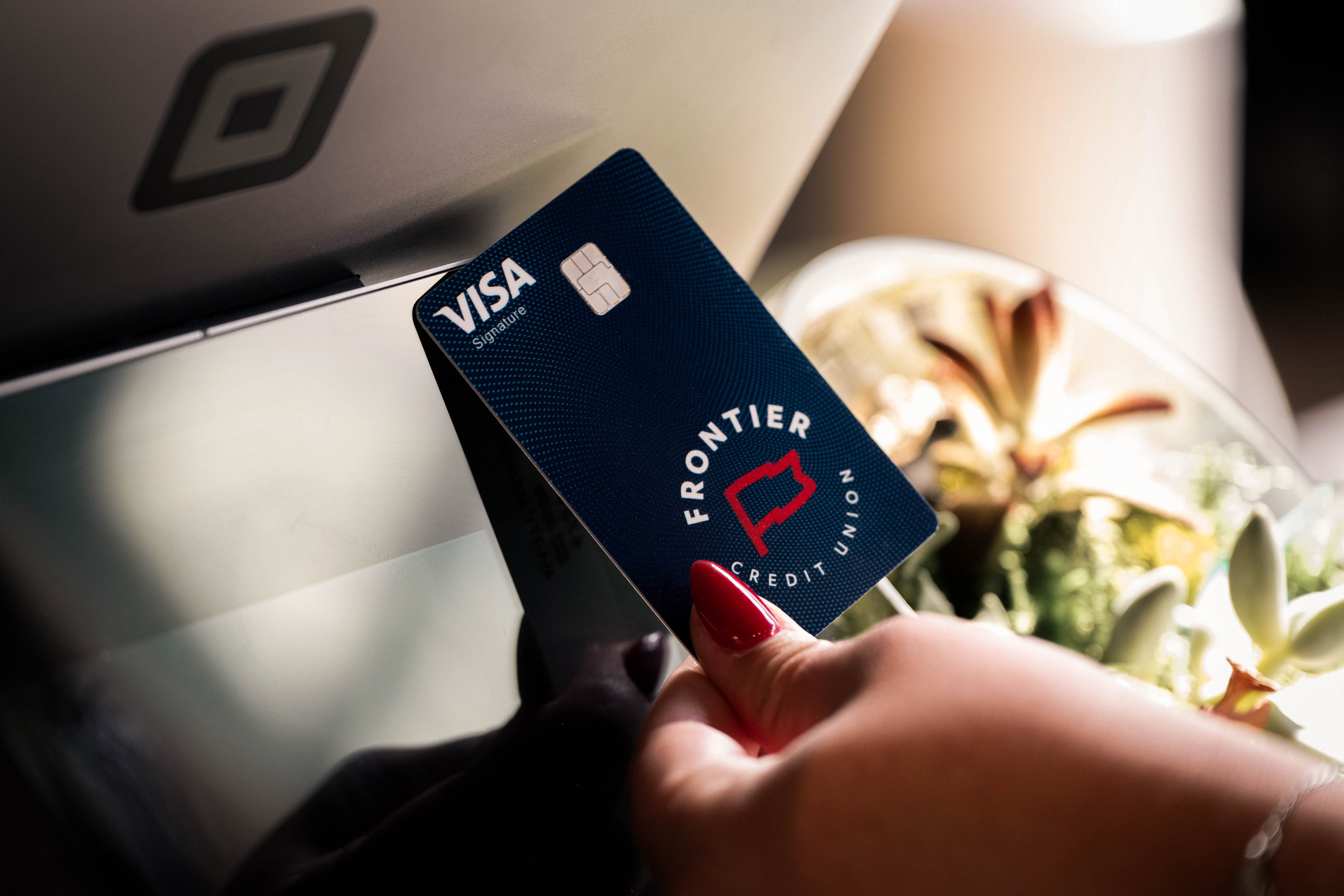
Understanding Your Credit Score
Your credit score is essentially a snapshot of how responsibly you manage credit. Several factors contribute to your score, but a few habits matter more than others.
Common Credit Card Mistakes to Avoid
Almost everyone makes financial mistakes at some point, especially when they’re first learning how credit works. The important thing is understanding what to watch for early on.
Missing payments, maxing out your card, or making only minimum payments consistently can make it harder to build strong credit over time. Ignoring your budget can also lead to unnecessary financial stress.
A good rule of thumb? Use your credit card to support your financial plan, not replace it.
How to Build Your Credit Score Responsibly
Building good credit is less about being perfect and more about being consistent. Paying on time, keeping balances manageable, monitoring your spending, and avoiding unnecessary debt all help strengthen your credit over time.
The process may feel slow at first, but healthy financial habits built early can create opportunities that benefit you for years to come.
Frontier Credit Union Is Here to Help
At Frontier Credit Union, helping members build confidence with their finances is part of our mission. Whether you’re opening your very first credit card, learning how credit scores work, or building healthy financial habits for the future, our team is here to support you every step of the way.
Because your first credit card is more than just a payment method, it’s the beginning of your financial journey. And learning how to use credit wisely today can help create a stronger financial future tomorrow.

