

.
5 Spring Home Renovation Projects
(and Smart Ways to Pay for Them)
Spring is here, and with the warmer weather comes the perfect time to explore ideas for home renovations. The right design plan can create more usable space, improve daily routines and turn inspiration into reality without losing sight of budget, materials or timing.
Many homeowners are also thinking about sustainability when planning home remodeling projects. Thoughtful upgrades can improve comfort, reduce maintenance and make a house work better for everyday life and family routines.
Below are some practical ideas that combine strong design, functionality and long-term usability.
5 Spring Home Renovation Projects
(and Smart Ways to Pay for Them)
Spring is here and with the warmer weather comes the perfect time to explore ideas for home renovations. The right design plan can create more usable space, improve daily routines and turn inspiration into reality without losing sight of budget, materials or timing.
Many homeowners are also thinking about sustainability when planning home remodeling projects. Thoughtful upgrades can improve comfort, reduce maintenance and make a house work better for everyday life and family routines.
Below are some practical ideas that combine strong design, functionality and long-term usability.
5 Spring Home Renovation Projects
(and Smart Ways to Pay for Them)
Spring is here and with the warmer weather comes the perfect time to explore ideas for home renovations. The right design plan can create more usable space, improve daily routines and turn inspiration into reality without losing sight of budget, materials or timing.
Many homeowners are also thinking about sustainability when planning home remodeling projects. Thoughtful upgrades can improve comfort, reduce maintenance and make a house work better for everyday life and family routines.
Below are some practical ideas that combine strong design, functionality and long-term usability.
Landscaping & Curb Appeal
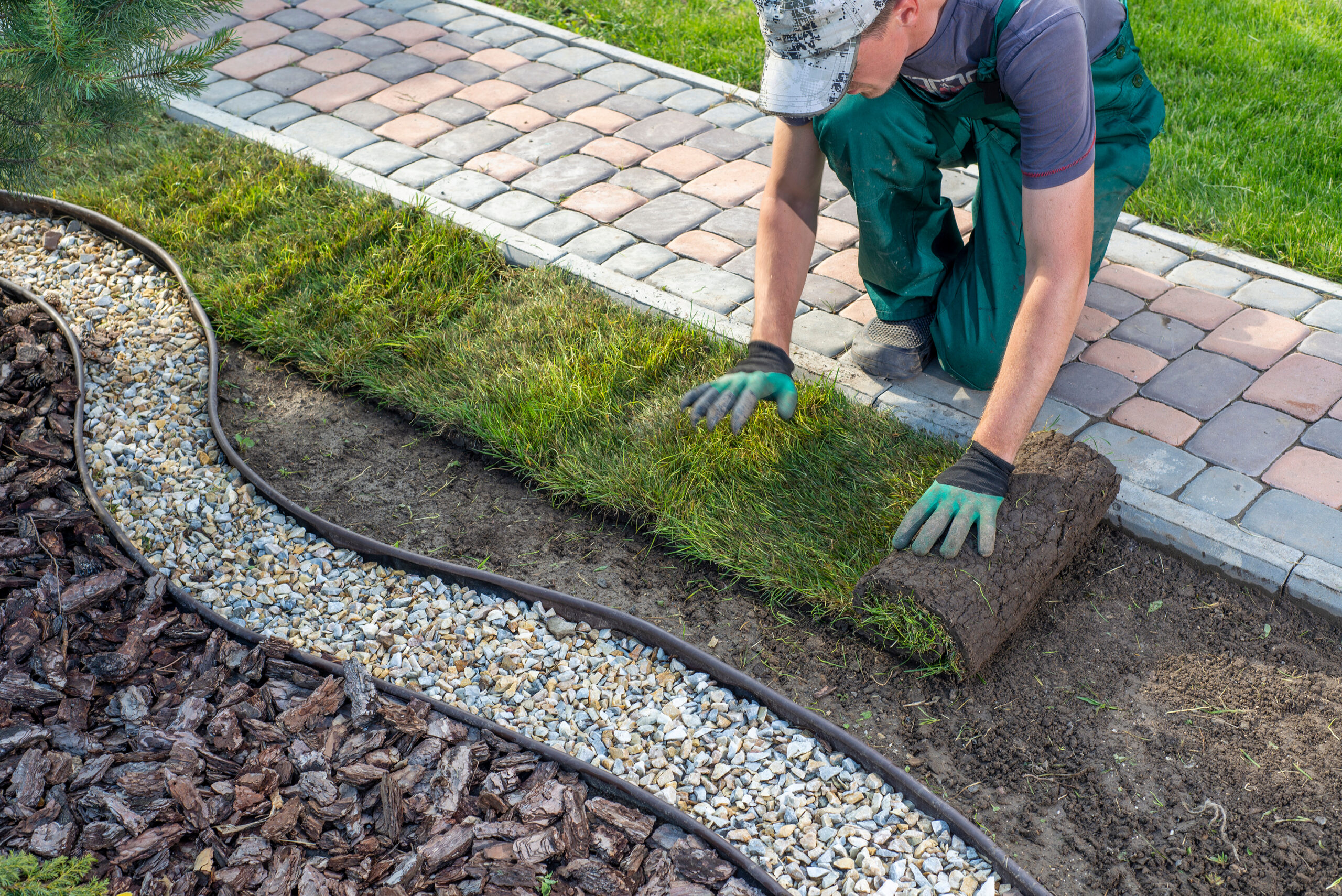
Landscaping is one of the fastest ways to improve exteriors and help a house make a better first impression. Fresh planting beds, stone borders, updated doors, and clean trim can make a property feel intentional without major construction.
Today many homeowners want the yard to function as a living space, not just a maintenance project. When the design matches how your family uses the yard, the outdoor area becomes a natural extension of the house.
A Few Practical Tips
- Xeriscaping with native plants, gravel, and stone can reduce water use while keeping upkeep manageable.
- Decks, patios, and privacy planting can create a more functional outdoor space.
- Start with a clear design plan so the finished landscape matches how your family will actually use the yard.
These types of upgrades can help keep your outdoor exteriors fresh and functional.
Landscaping & Curb Appeal
Landscaping is one of the fastest ways to improve exteriors and help a house make a better first impression. Fresh planting beds, stone borders, updated doors, and clean trim can make a property feel intentional without major construction.
Today many homeowners want the yard to function as a living space, not just a maintenance project. When the design matches how your family uses the yard, the outdoor area becomes a natural extension of the house.
A Few Practical Tips
- Xeriscaping with native plants, gravel, and stone can reduce water use while keeping upkeep manageable.
- Decks, patios, and privacy planting can create a more functional outdoor space.
- Start with a clear design plan so the finished landscape matches how your family will actually use the yard.
These types of upgrades can help keep your outdoor exteriors fresh and functional.
Landscaping & Curb Appeal
Landscaping is one of the fastest ways to improve exteriors and help a house make a better first impression. Fresh planting beds, stone borders, updated doors and clean trim can make a property feel intentional without major construction.
Today many homeowners want the yard to function as a living space, not just a maintenance project. When the design matches how your family uses the yard, the outdoor area becomes a natural extension of the house.
A Few Practical Tips
- Xeriscaping with native plants, gravel and stone can reduce water use while keeping upkeep manageable.
- Decks, patios and privacy planting can create a more functional outdoor space.
- Start with a clear design plan so the finished landscape matches how your family will actually use the yard.
These types of upgrades can help keep your outdoor exteriors fresh and functional.
Deck & Patio Additions
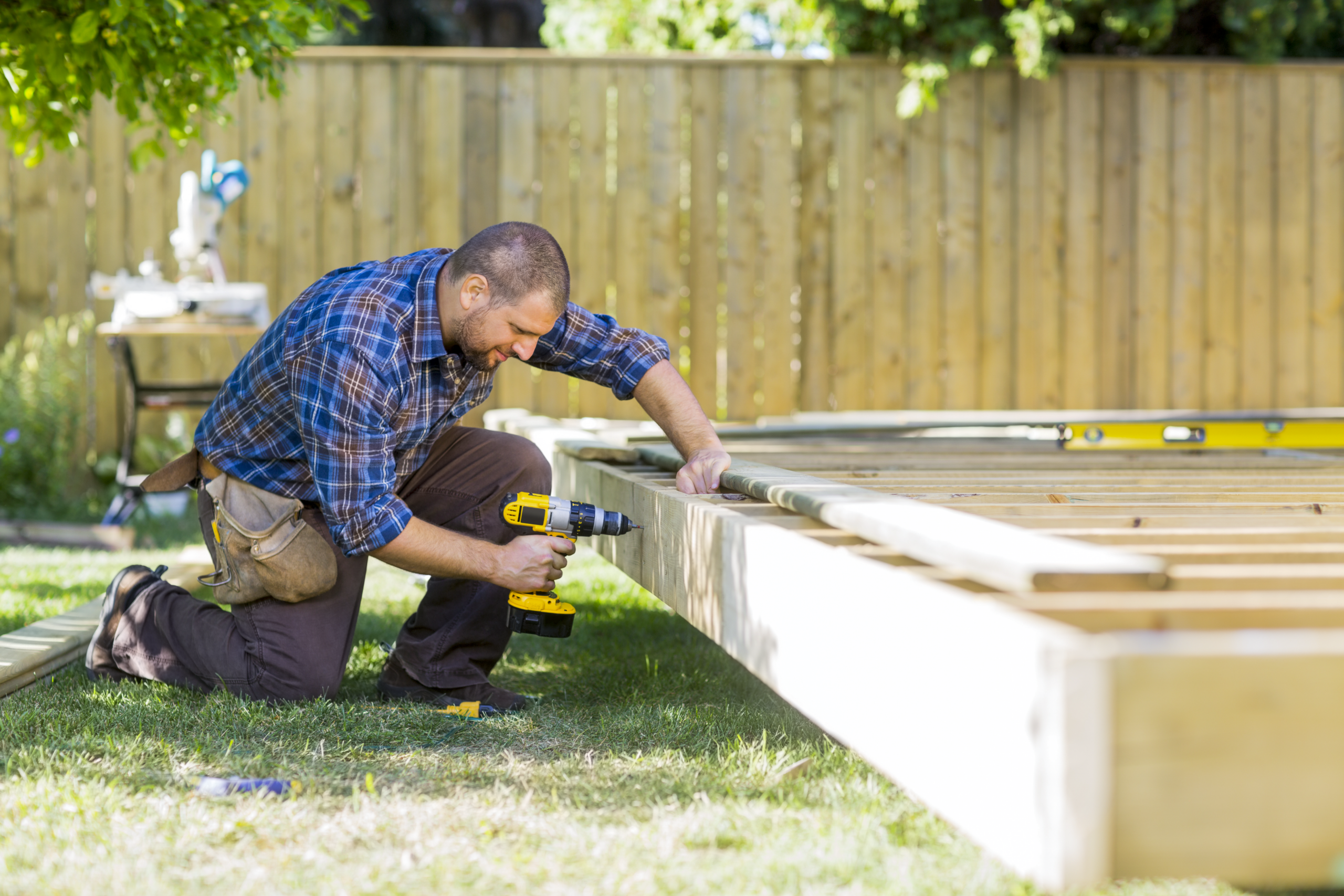
A deck or patio upgrade can add more gathering space without changing the footprint of the house. Covered patios, pergolas, and outdoor kitchens help blur the line between indoor and outdoor living. Many homeowners now treat the yard as another room where their family can relax, host friends or enjoy everyday life.
A Few Practical Tips
- Plan the layout carefully before you sign off on materials.
- Choose durable materials that match your maintenance goals.
- A thoughtful design can create comfort, privacy and a smoother traffic flow between the first floor and the yard.
When done well, these outdoor projects continue delivering daily usability long after the project is completed.
Deck & Patio Additions
A deck or patio upgrade can add more gathering space without changing the footprint of the house. Covered patios, pergolas and outdoor kitchens help blur the line between indoor and outdoor living. Many homeowners now treat the yard as another room where their family can relax, host friends or enjoy everyday life.
A Few Practical Tips
- Plan the layout carefully before you sign off on materials.
- Choose durable materials that match your maintenance goals.
- A thoughtful design can create comfort, privacy and a smoother traffic flow between the first floor and the yard.
When done well, these outdoor projects continue delivering daily usability long after the project is completed.
Deck & Patio Additions
A deck or patio upgrade can add more gathering space without changing the footprint of the house. Covered patios, pergolas and outdoor kitchens help blur the line between indoor and outdoor living. Many homeowners now treat the yard as another room where their family can relax, host friends or enjoy everyday life.
A Few Practical Tips
- Plan the layout carefully before you sign off on materials.
- Choose durable materials that match your maintenance goals.
- A thoughtful design can create comfort, privacy and a smoother traffic flow between the first floor and the yard.
When done well, these outdoor projects continue delivering daily usability long after the project is completed.
Refreshing Paint and Lights
Interior painting remains one of the simplest ways to refresh a room. Neutral interior painting colors such as greige often appeal to both traditional and modern tastes. A smart lighting plan can also transform a room, especially on the first floor or in a darker basement area. Upgrading lighting fixtures and adding natural light can help a room feel larger and more comfortable.
In some cases, replacing older windows or doors improves comfort and energy efficiency.
A Few Practical Tips
- Warm minimalism blends modern finishes with classic details.
- A subtle ceiling treatment can add texture and character to a room.
- Strategic painting and lighting upgrades often deliver strong value for a modest cost.
Even a small upgrade can make a space feel refreshed without major remodeling.

Refreshing Paint and Lights
Interior painting remains one of the simplest ways to refresh a room. Neutral interior painting colors such as greige often appeal to both traditional and modern tastes. A smart lighting plan can also transform a room, especially on the first floor or in a darker basement area. Upgrading lighting fixtures and adding natural light can help a room feel larger and more comfortable.
In some cases, replacing older windows or doors improves comfort and energy efficiency.
A Few Practical Tips
- Warm minimalism blends modern finishes with classic details.
- A subtle ceiling treatment can add texture and character to a room.
- Strategic painting and lighting upgrades often deliver strong value for a modest cost.
Even a small upgrade can make a space feel refreshed without major remodeling.
Kitchen Refresh
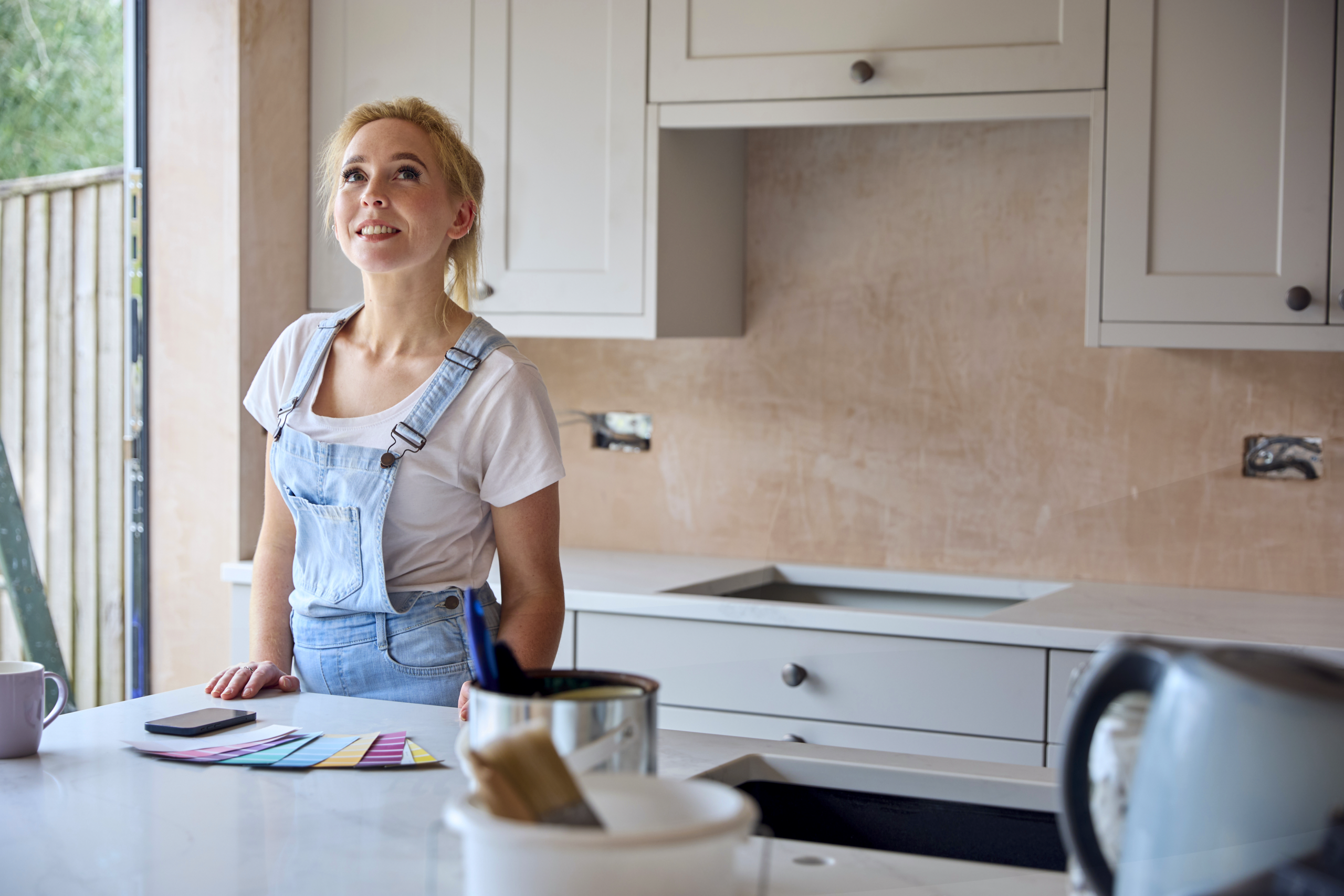
The kitchen remains the central room in most homes. Because it supports everyday life, even small updates can have a big impact on usability and functionality. Popular kitchen improvements include stone countertops, refreshed cabinets, and custom cabinetry that improves storage and workflow. These upgrades help create a modern kitchen that still reflects a classic style.
Many kitchen layouts now incorporate beverage stations, range alcoves, and improved appliance integration.
A Few Practical Tips
- Work with an experienced contractor when a kitchen project involves multiple trades.
- A design-build approach can keep planning and construction organized.
- Careful design helps protect long-term functionality.
A thoughtful kitchen remodeling project can transform how a family uses the room every day.
Kitchen Refresh
The kitchen remains the central room in most homes. Because it supports everyday life, even small updates can have a big impact on usability and functionality. Popular kitchen improvements include stone countertops, refreshed cabinets and custom cabinetry that improves storage and workflow. These upgrades help create a modern kitchen that still reflects a classic style.
Many kitchen layouts now incorporate beverage stations, range alcoves, and improved appliance integration.
A Few Practical Tips
- Work with an experienced contractor when a kitchen project involves multiple trades.
- A design-build approach can keep planning and construction organized.
- Careful design helps protect long-term functionality.
A thoughtful kitchen remodeling project can transform how a family uses the room every day.
Refreshing Paint and Lights
Interior painting remains one of the simplest ways to refresh a room. Neutral interior painting colors such as greige often appeal to both traditional and modern tastes. A smart lighting plan can also transform a room, especially on the first floor or in a darker basement area. Upgrading lighting fixtures and adding natural light can help a room feel larger and more comfortable.
In some cases, replacing older windows or doors improves comfort and energy efficiency.
A Few Practical Tips
- Warm minimalism blends modern finishes with classic details.
- A subtle ceiling treatment can add texture and character to a room.
- Strategic painting and lighting upgrades often deliver strong value for a modest cost.
Even a small upgrade can make a space feel refreshed without major remodeling.
Kitchen Refresh
The kitchen remains the central room in most homes. Because it supports everyday life, even small updates can have a big impact on usability and functionality. Popular kitchen improvements include stone countertops, refreshed cabinets and custom cabinetry that improves storage and workflow. These upgrades help create a modern kitchen that still reflects a classic style.
Many kitchen layouts now incorporate beverage stations, range alcoves and improved appliance integration.
A Few Practical Tips
- Work with an experienced contractor when a kitchen project involves multiple trades.
- A design-build approach can keep planning and construction organized.
- Careful design helps protect long-term functionality.
A thoughtful kitchen remodeling project can transform how a family uses the room every day.
Bathroom Updates

A bathroom update can range from new fixtures to a full bathroom remodeling project. Whether large or small, the goal is to improve both comfort and usability.
Many bathroom projects focus on spa-like design, better storage, and improved shower layouts. Walk-in shower installations and curbless shower entries are especially popular because they support aging in place. Natural stone and artisan tile can give a bathroom more character, while thoughtful lighting keeps the room feeling bright.
A Few Practical Tips
- Prioritize shower access and storage.
- Choose durable materials that hold up well to moisture.
- A well-planned bathroom can remain comfortable well into the future.
Even a smaller bathroom project can dramatically improve the overall room experience.
Bathroom Updates
A bathroom update can range from new fixtures to a full bathroom remodeling project. Whether large or small, the goal is to improve both comfort and usability.
Many bathroom projects focus on spa-like design, better storage and improved shower layouts. Walk-in shower installations and curbless shower entries are especially popular because they support aging in place. Natural stone and artisan tile can give a bathroom more character, while thoughtful lighting keeps the room feeling bright.
A Few Practical Tips
- Prioritize shower access and storage.
- Choose durable materials that hold up well to moisture.
- A well-planned bathroom can remain comfortable well into the future.
Even a smaller bathroom project can dramatically improve the overall room experience.

Smart Ways to Pay for Home Remodeling
The right payment strategy depends on project size, timing and how the monthly cost fits your life. Savings may work for smaller jobs. Credit cards can cover limited purchases, but interest can climb quickly. Personal loans may fit defined mid-sized work, while home improvement financing such as a HELOC (Home Equity Line of Credit) can offer flexibility for larger or phased renovations.
For more complex work, contractor expertise matters as much as the money. Hiring the right contractor helps protect against structural damage and keeps the process from drifting. Many clients prefer design-build services because one team can manage design, permits, construction and communication under one roof. That coordination often means fewer surprises and a smoother path from the first conversation to the day the work is completed.
Smart Ways to Pay for Home Remodeling
The right payment strategy depends on project size, timing, and how the monthly cost fits your life. Savings may work for smaller jobs. Credit cards can cover limited purchases, but interest can climb quickly. Personal loans may fit defined mid-sized work, while home improvement financing such as a HELOC can offer flexibility for larger or phased renovations.
For more complex work, contractor expertise matters as much as the money. Hiring the right contractor helps protect against structural damage and keeps the process from drifting. Many clients prefer design-build services because one team can manage design, permits, construction and communication under one roof. That coordination often means fewer surprises and a smoother path from the first conversation to the day the work is completed.
Frequently Asked Questions
Bathroom Updates
A bathroom update can range from new fixtures to a full bathroom remodeling project. Whether large or small, the goal is to improve both comfort and usability.
Many bathroom projects focus on spa-like design, better storage, and improved shower layouts. Walk-in shower installations and curbless shower entries are especially popular because they support aging in place. Natural stone and artisan tile can give a bathroom more character, while thoughtful lighting keeps the room feeling bright.
A Few Practical Tips
- Prioritize shower access and storage.
- Choose durable materials that hold up well to moisture.
- A well-planned bathroom can remain comfortable well into the future.
Even a small bathroom project can dramatically improve the overall room experience.
Smart Ways to Pay for Home Remodeling
The right payment strategy depends on project size, timing and how the monthly cost fits your life. Savings may work for smaller jobs. Credit cards can cover limited purchases, but interest can climb quickly. Personal loans may fit defined mid-sized work, while home improvement financing such as a HELOC (Home Equity Line of Credit) can offer flexibility for larger or phased renovations.
For more complex work, contractor expertise matters as much as the money. Hiring the right contractor helps protect against structural damage and keeps the process from drifting. Many clients prefer design-build services because one team can manage design, permits, construction and communication under one roof. That coordination often means fewer surprises and a smoother path from the first conversation to the day the work is completed.

