Landscaping
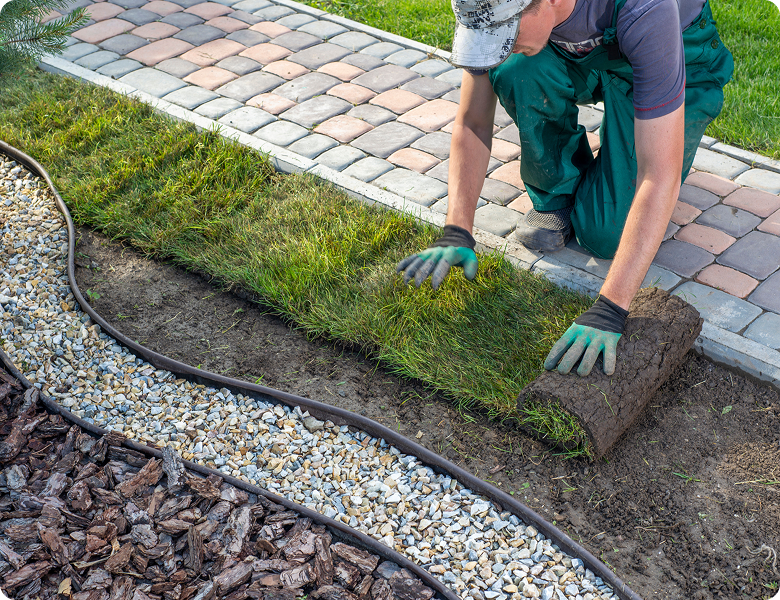
Landscaping is one of the fastest ways to improve exteriors and help a house make a better first impression. Fresh planting beds, stone borders, updated doors, and clean trim can make a property feel intentional without major construction.
A Few Practical Tips
- Xeriscaping with native plants, gravel, and stone can reduce water use while keeping upkeep manageable.
- Decks, patios, and privacy planting can create a more functional outdoor space.
- Start with a clear design plan so the finished landscape matches how your family will actually use the yard.
Deck & Patio Additions
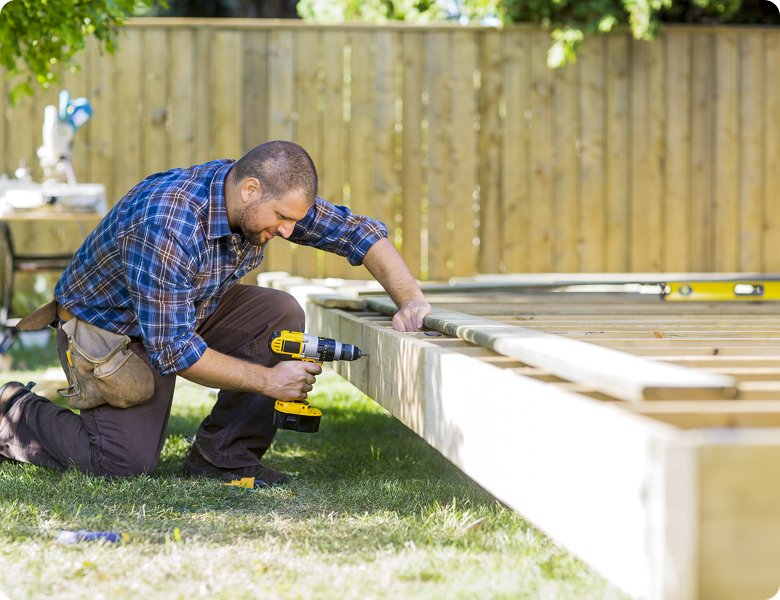
Covered patios, pergolas, and outdoor kitchens help blur the line between indoor and outdoor living. Many homeowners now treat the yard as another room where their family can relax, host friends or enjoy everyday life.
A Few Practical Tips
- Plan the layout carefully before you sign off on materials.
- Choose durable materials that match your maintenance goals.
- A thoughtful design can create comfort, privacy and a smoother traffic flow between the first floor and the yard.

Refreshing Paint & Lights
Interior painting remains one of the simplest ways to refresh a room. Neutral interior painting colors such as greige often appeal to both traditional and modern tastes. Upgrading lighting fixtures and adding natural light can help a room feel larger and more comfortable.
A Few Practical Tips
- Warm minimalism blends modern finishes with classic details.
- A subtle ceiling treatment can add texture and character to a room.
- Strategic painting and lighting upgrades often deliver strong value for a modest cost.

Kitchen Refresh
Popular kitchen improvements include stone countertops, refreshed cabinets and custom cabinetry that improves storage and workflow. These upgrades help create a modern kitchen that still reflects a classic style.
Many kitchen layouts now incorporate beverage stations, range alcoves, and improved appliance integration.
A Few Practical Tips
- Work with an experienced contractor when a kitchen project involves multiple trades.
- A design-build approach can keep planning and construction organized.
- Careful design helps protect long-term functionality.
Bathroom Updates
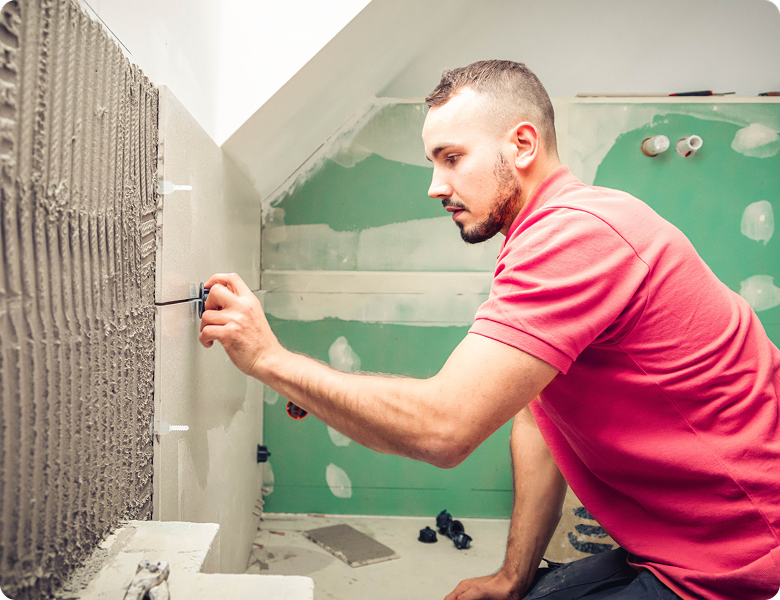
Many bathroom projects focus on spa-like design, better storage and improved shower layouts. Walk-in shower installations and curbless shower entries are especially popular because they support aging in place. Natural stone and artisan tile can give a bathroom more character, while thoughtful lighting keeps the room feeling bright.
A Few Practical Tips
- Prioritize shower access and storage.
- Choose durable materials that hold up well to moisture.
- A well-planned bathroom can remain comfortable well into the future.

How to Finance
The right payment strategy depends on project size, timing and how the monthly cost fits your life. Savings may work for smaller jobs. Credit cards can cover limited purchases, but interest can climb quickly. Personal loans may fit defined mid-sized work, while home improvement financing such as a HELOC (Home Equity Line of Credit) can offer flexibility for larger or phased renovations.
Hiring the right contractor helps protect against structural damage and keeps the process from drifting. That coordination often means fewer surprises and a smoother path from the first conversation to the day the work is completed.
Frequently Asked Questions
Which spring projects are actually worth it?
Keep your eye on projects that make your home more comfortable and add utility. Outdoor living spaces like decks, patios, covered patios, outdoor kitchens and privacy-focused landscaping remain strong because many homeowners now treat the yard as an extension of the house. Inside, underused areas such as a basement office, bonus room or multiuse first-floor space are also practical choices because they support work, storage and everyday family life without requiring a full addition.
Which upgrades improve comfort and lower utility costs?
Upgrades that improve energy efficiency tend to deliver the biggest gains in both comfort and long-term cost savings. Improvements like replacing older windows and doors, upgrading insulation and installing energy-efficient lighting can help regulate indoor temperatures and reduce monthly utility bills. The most effective upgrades balance performance and usability, helping your home feel more comfortable day to day while lowering the cost to operate it.
Which lower-lift design updates feel current and practical?
If you want a meaningful change without a full rebuild, focus on finishes and architectural detail. Neutral paint is still the easiest entry point, while warm minimalism and transitional design keep a room feeling calm, livable and not overly trendy. Historical color cues can work well as smaller accent moments and ceiling treatments are getting more attention because they add texture and visual interest. Artisan materials such as hand-crafted tile and natural stone can also help newer spaces feel more grounded and custom.
What order should a kitchen remodel follow?
The proper sequence of a kitchen installation starts with laying the foundation and structural framework. Then, start some rough plumbing, wiring and gas lines. After that come cabinetry and countertops, followed by finishing work such as flooring, painting, tile backsplashes, lighting and final adjustments. That order helps protect materials, reduce rework and keep the project moving. A professional contractor can coordinate the trades, manage the timeline and reduce the risk of installation mistakes that create structural or finish problems later. Once the designer understands what you want, they develop a vision based on conversations with you and the craftspeople.
When does a design-build approach make the most sense?
Design-build is most useful when a project involves layout changes, permits, multiple trades or custom decisions that need to stay aligned from start to finish. The Design-Build Institute of America describes it as a single point of responsibility, with the designer and contractor working together from the beginning. That can simplify communication, keep design and construction connected and make it easier to manage permits, materials, scheduling and the build itself under one coordinated process.